
..reiterates call for improved funding for army
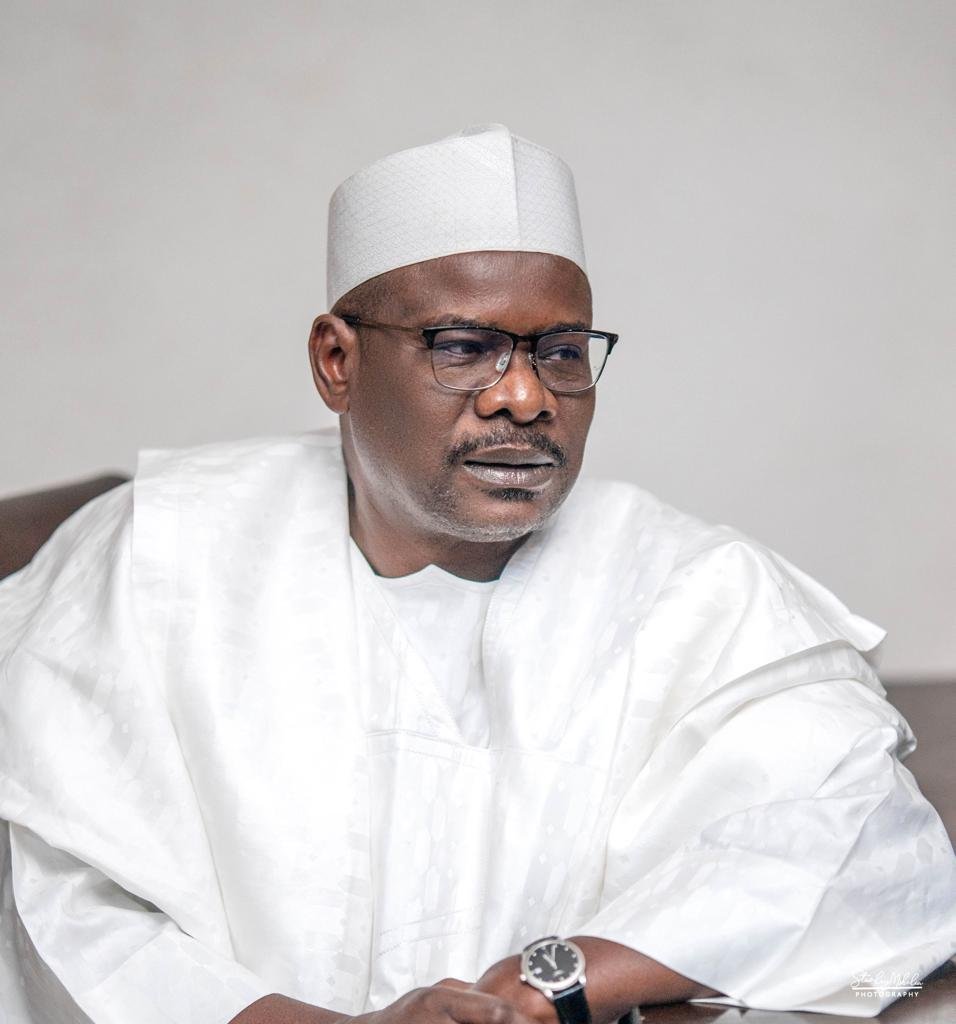
Senator representing Borno South, Ali Ndume, has urged President Bola Ahmed Tinubu to translate his declaration of a nationwide security emergency into concrete action following the recent deadly attacks in Borno State.
Ndume’s call comes amid widespread outrage over last week’s assault on Ngoshe community in Gwoza Local Government Area, where terrorists killed several residents and abducted more than 100 women and children.
In a statement issued at the weekend, the former Senate Leader said the Federal Government must demonstrate commitment to the emergency declaration by intensifying military operations against insurgents, particularly in the North-East.
The attack on Ngoshe was reportedly carried out by fighters from the terror groups Boko Haram and Islamic State West Africa Province (ISWAP). According to reports, the insurgents initially targeted a military formation belonging to the 82 Division Task Force Battalion before advancing into the community and an Internally Displaced Persons (IDPs) camp.
During the assault, several soldiers were killed alongside the town’s Chief Imam and some community leaders.
Ndume, whose senatorial district includes the affected area, said the pattern of the attack suggested a high level of coordination among insurgent groups operating from different strongholds in the region. He urged the President to mandate security agencies to launch sustained clearance operations in known insurgent enclaves such as Lake Chad, Sambisa Forest and the Mandara Mountains.
According to him, these areas have continued to serve as operational bases from which terrorists plan and execute attacks on communities across the North-East.
“Government must match its declaration of a security emergency with concrete action by carrying out coordinated and sustained operations against insurgent strongholds,” Ndume said.
He explained that the Ngoshe massacre was executed through collaboration among fighters operating from multiple bases.
“For instance, the attackers that struck Ngoshe came through the Mandara Mountains and were supported by insurgents from Sambisa Forest and the Lake Chad axis using their familiar routes,” he said.
Ndume also advised the President to improve communication with Nigerians on the government’s security efforts by providing periodic briefings. He suggested that the President establish a situation room within the Presidential Villa to coordinate intelligence and operational responses while also keeping citizens informed.
“Since the President has declared a state of emergency on security, he should have a situation room in the Villa where developments are constantly monitored. Nigerians also need to hear directly from him regularly about efforts being made to address insecurity,” he said.
The senator further proposed the establishment of Air Component Centres in the three northern geopolitical zones to strengthen aerial operations against insurgents. They should be equipped with attack helicopters capable of responding swiftly to threats in volatile areas, he explained.
If the government is unable to immediately procure additional attack helicopters, he suggested that it should consider leasing them to support ongoing operations in conflict-prone areas.
“Even if purchasing new helicopters is difficult at the moment, the government should explore hiring them for deployment to security flashpoints,” he said.
While commending the military for eventually responding to the Ngoshe attack, Ndume said the intervention came late and highlighted the need for faster operational response. He also renewed his longstanding call for the frontloading of security agencies’ budgets to enable the timely procurement of weapons, equipment and ammunition needed for counter-insurgency operations.
The lawmaker expressed concern over what he described as inadequate funding for the Nigerian Army compared with the scale of the security challenges confronting the country.
“The Nigerian Army’s budget is insignificant when compared with the size of the national budget. It accounts for less than 10 per cent, and yet the military is expected to confront heavily armed insurgent groups,” he said.
He therefore urged the Federal Government to prioritise security spending and ensure that funds allocated to the armed forces are released early enough to support military operations.


