• About Us
  • Privacy Policy
  • Contact Us
  • Advertise With Us
  • Home
Metrowatchonline
Sunday, February 8, 2026
  • Home
  • News
  • Security
  • World
No Result
View All Result
  • Home
  • News
  • Security
  • World
No Result
View All Result
Metrowatchonline
No Result
View All Result
Home Business

Tinubu’s Economic Reforms Yet to Ease Poverty in Nigeria, Says IMF

However, these measures have come at a cost for many ordinary Nigerians, who are experiencing the worst cost-of-living crisis in a generation.

Emmanuel Babs by Emmanuel Babs
April 18, 2025
in Business, Highlights, Top News
0
IMF

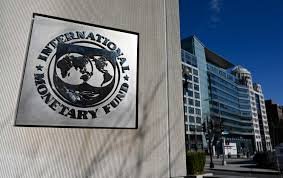
The International Monetary Fund said on Friday that the Nigerian government’s tough economic reforms have yet to benefit the average citizen, nearly two years after their introduction.

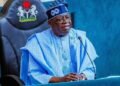
After assuming office in May 2023, President Bola Ahmed Tinubu launched a sweeping economic reform programme, which both the government and the IMF described as necessary to correct the country’s public finances.

However, these measures have come at a cost for many ordinary Nigerians, who are experiencing the worst cost-of-living crisis in a generation.

The government has taken “important steps to stabilise the economy, enhance resilience, and support growth,” wrote Axel Schimmelpfennig, IMF Mission Chief for Nigeria, in a statement.

ALSO READ...

CBN Raises Alarm over Reliance on Foreign Fintech in Nigeria

APC Plotting to Seize Power Through Back Door in Osun, Says Adeleke

But those “gains have yet to benefit all Nigerians, as poverty and food insecurity remain high,” he added, following nearly two weeks of routine discussions with government officials and civil society representatives in
the country.

“The outlook is marked by significant uncertainty,” he warned, noting that increased global uncertainty and falling oil prices will also impact the Nigerian economy.

Nonetheless, Tinubu’s reforms have put the economy in a “better position to navigate this external environment,” Schimmelpfennig said.

The reform measures include the liberalisation of the battered naira, the removal of fuel subsidies—which had kept petrol prices low for decades—and ending the Central Bank’s financing of the fiscal deficit.

In October, the World Bank reported that poverty in Nigeria had surged over the past six years, now affecting more than half of the population, with 129 million people living in poverty.

AFP
Tags: Bola TinubuIMFInternational Monetary Fund
Previous Post

Princess Nubi Plaza for Grand Opening in Ibadan, Saturday

Next Post

Okafor, AANI President, Greets Christians at Easter

Emmanuel Babs

Emmanuel Babs

Related Posts

Tinubu

Tinubu Directs Sports Funding Reset from 2026 Fiscal Year

February 8, 2026
OPINION | Press Freedom, Intelligence Power and Nigeria’s Democratic Signal to West Africa, By Ademola Oshodi

OPINION | Press Freedom, Intelligence Power and Nigeria’s Democratic Signal to West Africa, By Ademola Oshodi

February 7, 2026
Uba Sani

Gov Uba Sani Briefs Tinubu on Rescue of Abducted Kaduna Worshippers

February 7, 2026
Tinubu

Tinubu Orders Deployment of Army Battalion to Kwara after Deadly Kaiama Attack

February 5, 2026
Cubana Chief Priest

2027: I’m with Tinubu, Cubana Chief Priest Declares Reps Ambition

February 5, 2026
World Bank Hails Nigeria as Global Reference for Credible Reform Leadership

World Bank Hails Nigeria as Global Reference for Credible Reform Leadership

February 4, 2026
Next Post
AANI Felicitates Muslims, Nigerians at Eid-el-Fitr Celebration | METROWATCH

Okafor, AANI President, Greets Christians at Easter

  • About Us
  • Privacy Policy
  • Contact Us
  • Advertise With Us
  • Home

© 2026 Metrowatch Online Published by Miraculous Media Connect Limited. All rights reserved

No Result
View All Result
  • Home
  • News
  • Security
  • World

© 2026 Metrowatch Online Published by Miraculous Media Connect Limited. All rights reserved

Go to mobile version