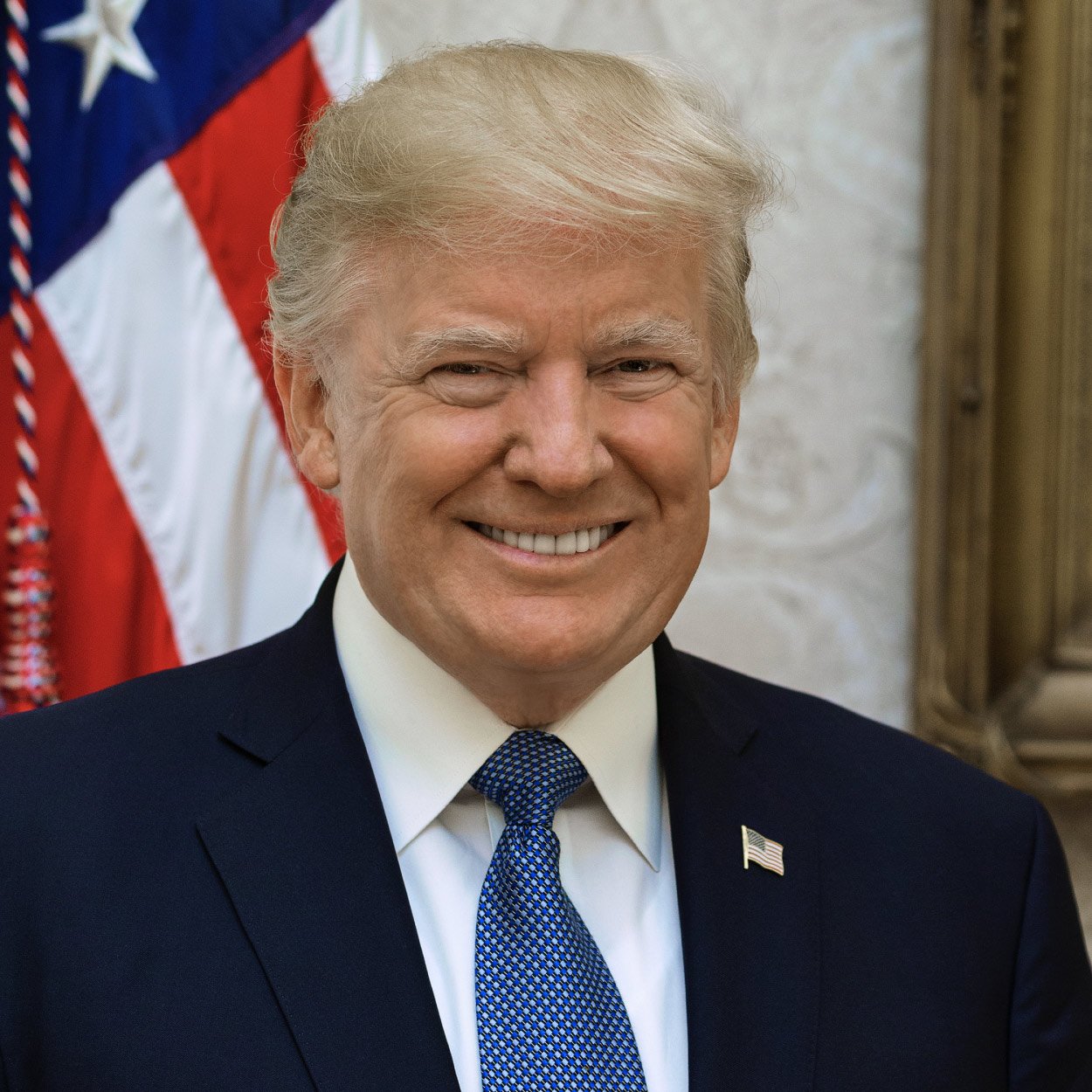
The United States Senate on Friday approved a $70 billion funding package aimed at strengthening President Donald Trump’s immigration enforcement agenda.
The approval followed a lengthy voting session marked by intense debate and divisions within the Republican Party over other elements of the administration’s policy priorities.
The measure provides funding for Immigration and Customs Enforcement, ICE, and the Border Patrol through the remainder of Trump’s presidency, delivering a significant legislative win for the administration on one of its central policy objectives.
The legislation will now move to the House of Representatives, where Republican leaders are expected to seek swift approval before forwarding it to President Trump for assent.
The funding package comes months after a record partial shutdown of the Department of Homeland Security, DHS, triggered by disagreements between Republicans and Democrats over immigration enforcement policies.
Democratic lawmakers had pushed for restrictions on certain enforcement practices, including operations in sensitive locations and the use of face coverings by immigration officers. However, Republicans rejected those conditions and opted to advance the funding through the budget reconciliation process, a legislative mechanism that allows passage with a simple majority vote while avoiding a Senate filibuster.
The Senate’s approval followed an extended amendment session known on Capitol Hill as a “vote-a-rama,” during which lawmakers considered a series of politically sensitive proposals before the final vote on the legislation.
The process also reignited debate over several controversial initiatives associated with Trump’s broader agenda, including a proposed fund designed to support individuals who claim they were unfairly targeted by government agencies, as well as an earlier proposal to allocate $1 billion for security arrangements linked to a planned White House ballroom project.
Although the final immigration funding bill did not include the ballroom-related allocation, both issues featured prominently in discussions surrounding the legislation and underscored growing concerns among some Republicans about defending certain administration priorities ahead of the upcoming midterm elections.
The internal disagreements reflected broader anxieties within the party as lawmakers prepare for campaigns expected to focus heavily on economic issues and rising living costs, concerns that analysts believe could shape voter sentiment in the next electoral cycle.
Despite those divisions, Senate Republicans ultimately rallied behind the measure, securing passage of the funding package and advancing one of the administration’s most significant immigration initiatives.